

September 25, 2025
The removal of invasive animals not only safeguards the valley’s ecosystem but also enhances the camping and hiking experience for those exploring the world-famous trail.
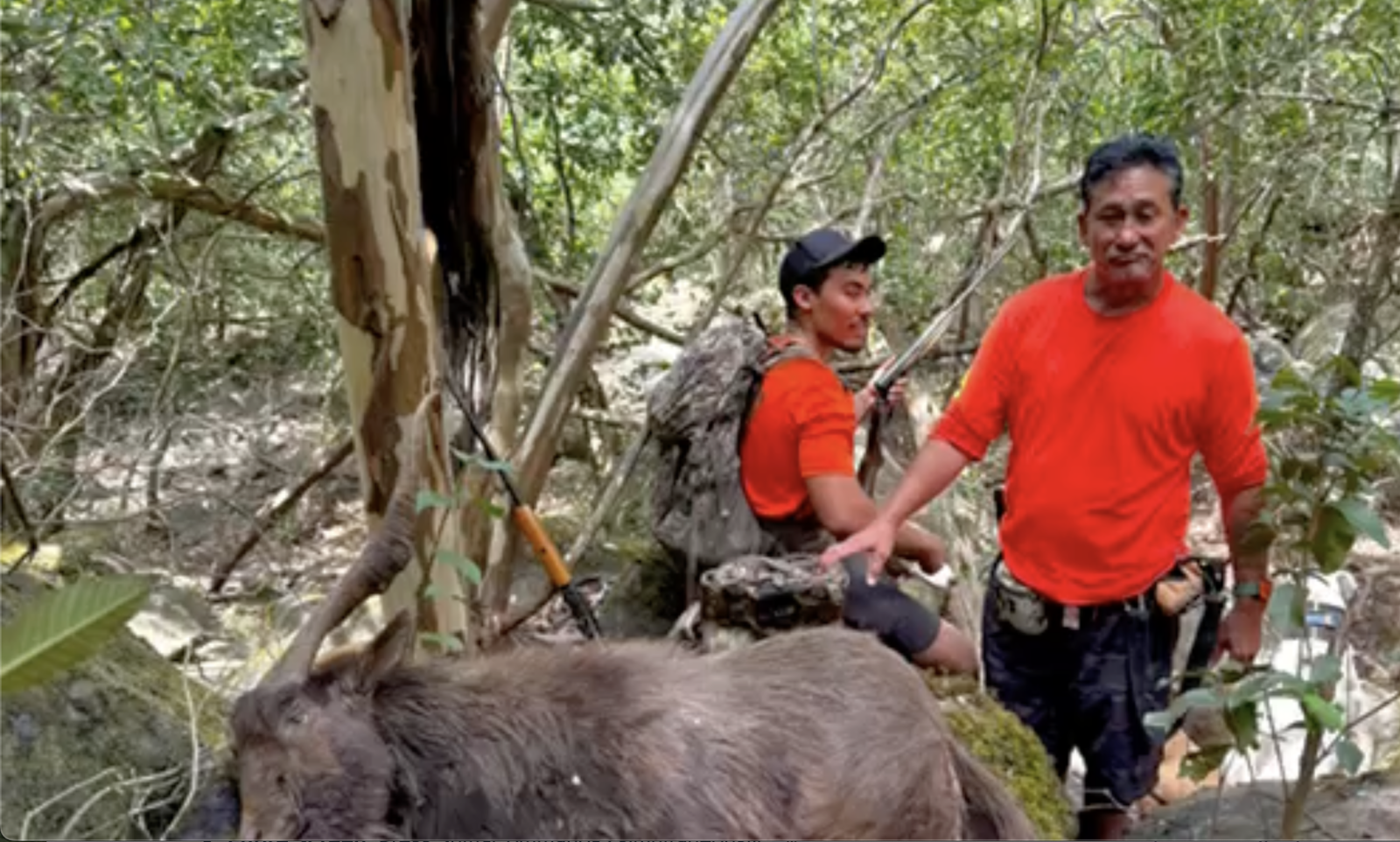
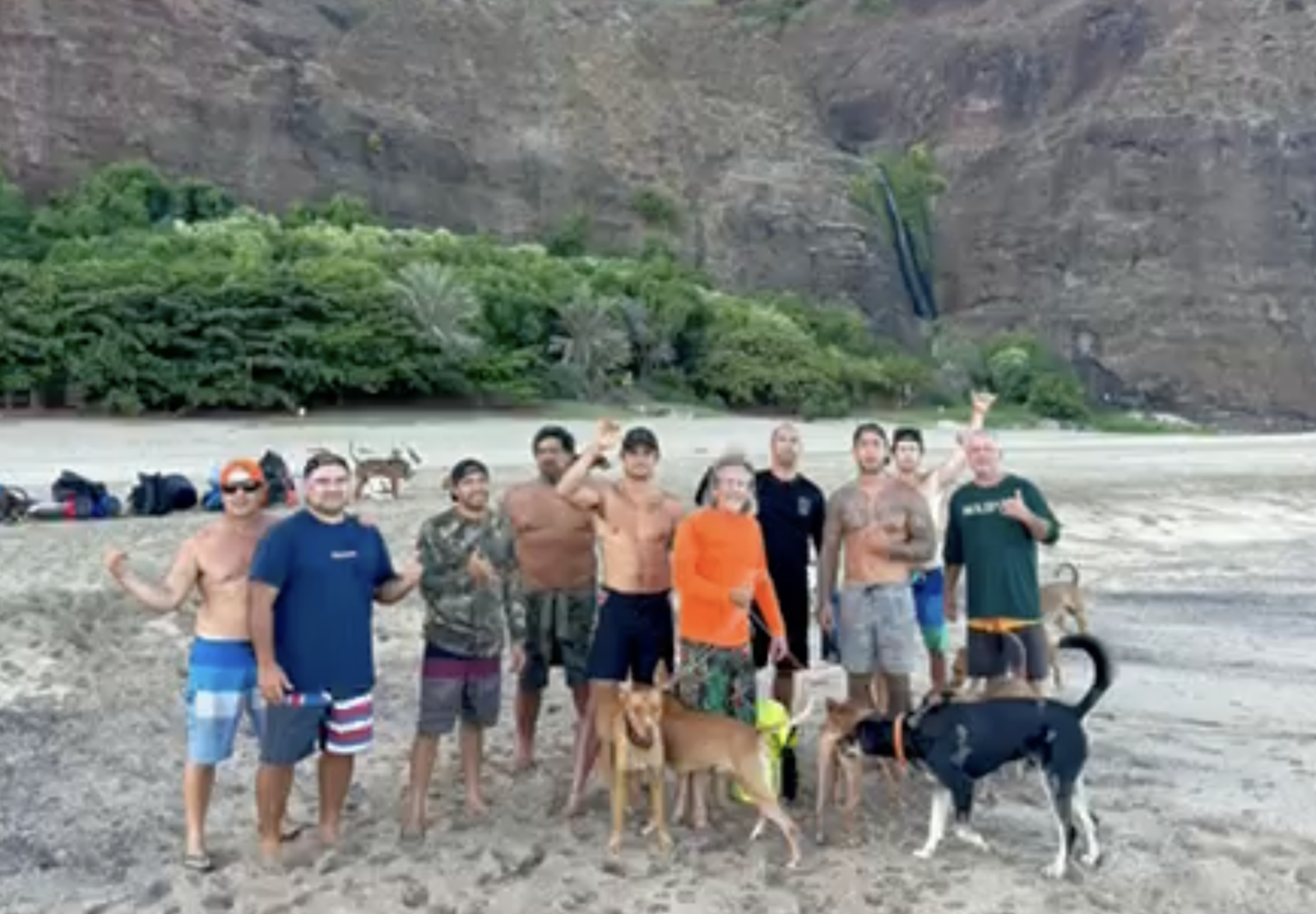
A successful, highly coordinated animal control operation earlier this month has helped protect one of Kauai’s most iconic and fragile landscapes. On September 9–10, state staff and community hunters removed 10 pigs and 12 goats from Kalalau Valley in an effort to safeguard native ecosystems, improve safety for visitors, and reduce long-standing environmental impacts.

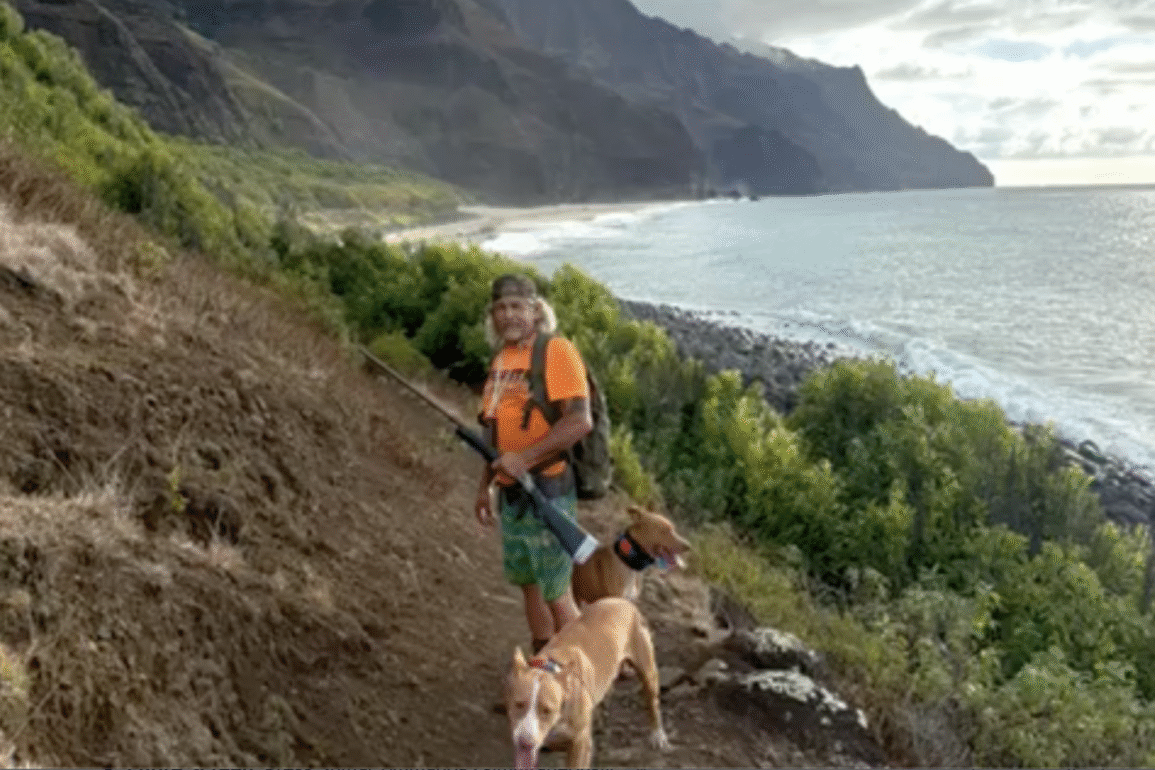
The hunt was carried out by permitted hunters working with officers from the Department of Land and Natural Resources’ Division of Conservation and Resources Enforcement (DOCARE) and staff from the Division of State Parks (DSP). Together, the teams targeted feral animal populations that have long posed threats to Kalalau’s native plants and watershed health.
Protecting a Fragile Valley
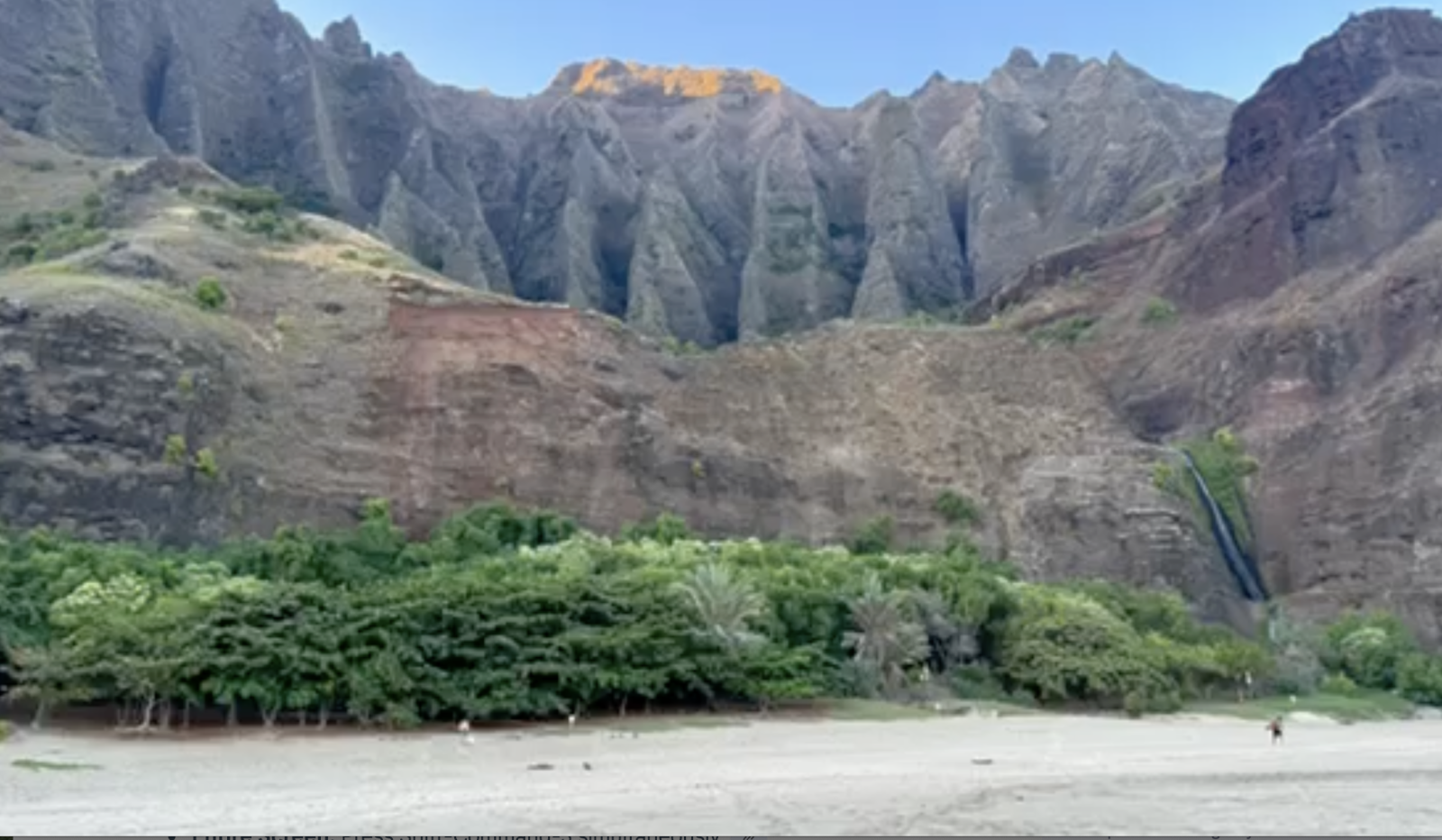
Kalalau Valley, part of the famed Na Pali Coast State Wilderness Park, is a remote destination for hikers and campers. But for decades, feral pigs and goats have eroded slopes, spread invasive weeds, and disturbed archaeological sites. Their rooting and grazing also destabilize hillsides, leading to rockfall hazards and runoff into streams and the ocean. Feral pigs and mountain goats also contaminate Kalalau’s streams and water sources with fecal material, creating potential health risks for hikers and campers who rely on these fragile watersheds.
Coordinated Effort
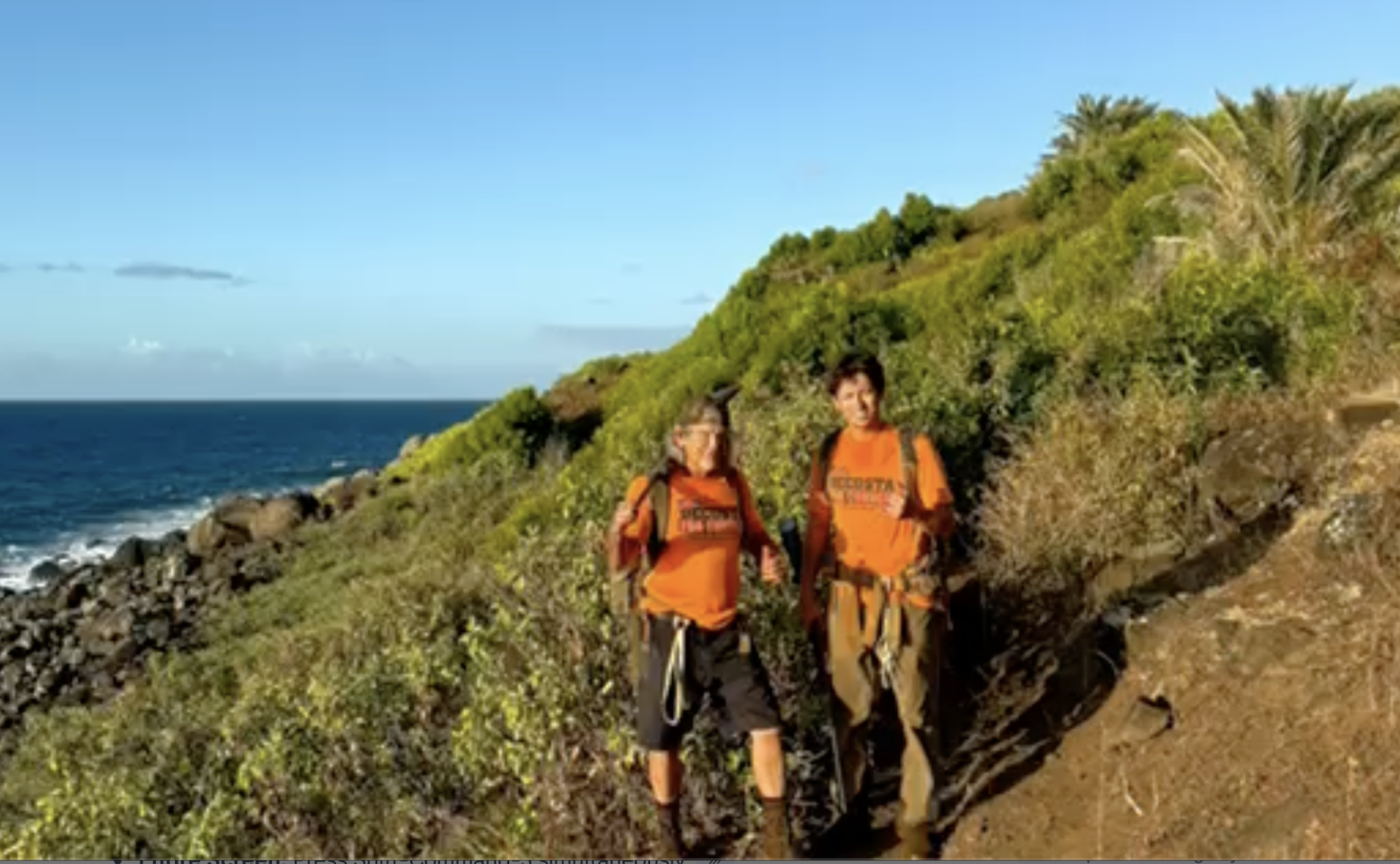
The two-day effort began the morning of September 9, when DOCARE officers swept the Kalalau campground, checked camping permits, and advised visitors to leave for safety. Following a safety briefing, the hunting teams split into two groups to cover both sides of the valley, while DOCARE officers set up a monitoring post at Red Hill to prevent illegal entry during the operation.
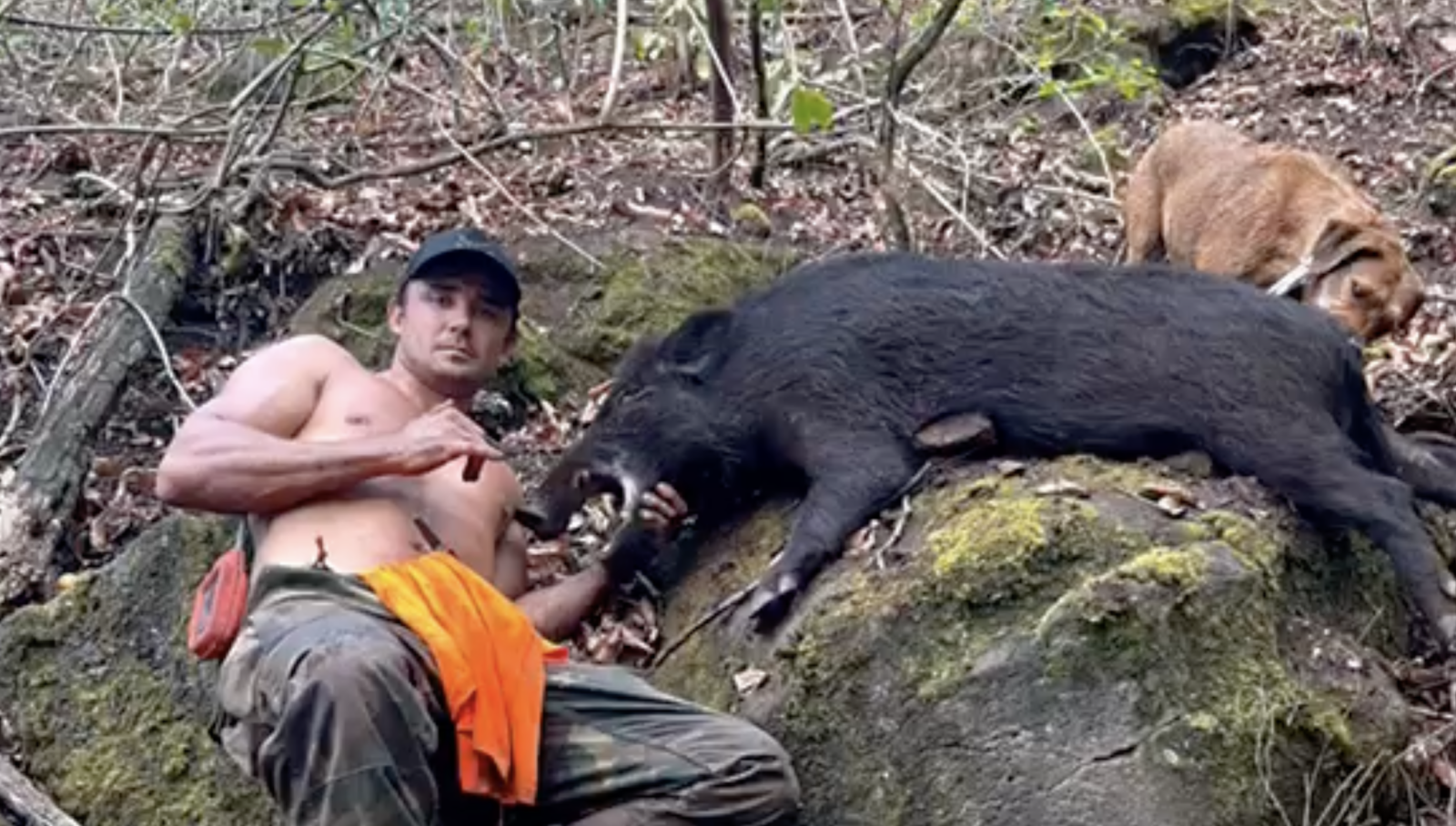
Over the course of the hunt, a total of 22 animals were removed. While recent visitor reports suggested higher pig numbers, hunters observed fewer animals on this outing.
Alongside the animal control work, DSP staff also serviced Kalalau’s facilities. Composting toilets were cleaned, supplies were restocked, and four bags of rubbish were flown out of the valley. The operation concluded without any safety incidents.
Looking Ahead
Feral animal management in Kalalau is an ongoing challenge, but this operation is being hailed as a step forward. State officials say they will continue working with community partners and hunters to balance public access with resource protection.
As Hawaii’s wilderness areas face pressure from invasive species, cooperative efforts like this one are proving essential to preserving the island’s natural and cultural heritage.
Images courtesy: DLNR
